Interventional Radiology · Washington, DC

Move freely again — without the operating room.

Lasting relief from back, knee, hip, and shoulder pain through gentle, needle-guided procedures.

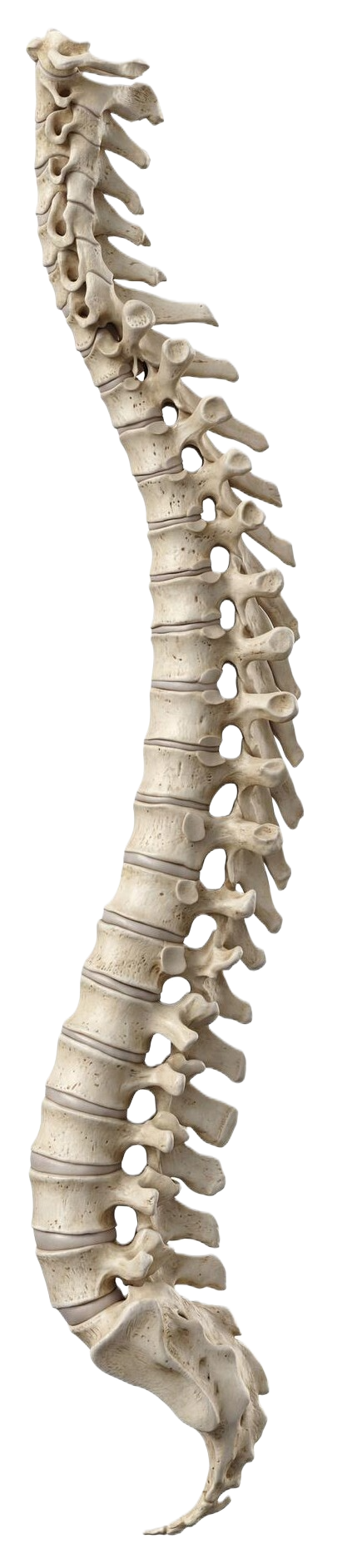
Spine — sacroiliac and tailbone pain relief

Hip — pain & bursitis treatment

Foot — plantar fasciitis treatment

Knee — arthritis treatment

Shoulder — rotator cuff & frozen

Interventional Radiology · Washington, DC

Move freely again — without the operating room.

Lasting relief from back, knee, hip, and shoulder pain through gentle, needle-guided procedures.

Spine —sacroiliac and tailbone pain relief

Knee — arthritis treatment

Hip — pain & bursitis treatment

Shoulder — rotator cuff & frozen

Foot — plantar fasciitis treatment

Clinical study

Pull-Back Genicular Nerve Ablation Study (JVIR 2026)

One visit

Most procedures are completed in a single appointment, with no hospital stay.

Gentle approach

Treatment goes in through a tiny opening — no large incision, no long recovery.

Home the same day

You recover in your own bed, usually back to normal activity within days.

With your doctors

We coordinate closely with your surgeon, physiatrist, and primary care team.

One visit

Most procedures are completed in a single appointment, with no hospital stay.

Gentle approach

Treatment goes in through a tiny opening — no large incision, no long recovery.

Home the same day

You recover in your own bed, usually back to normal activity within days.

With your doctors

We coordinate closely with your surgeon, physiatrist, and primary care team.

“The goal isn’t just to manage pain — it’s to treat it at the source, with the least invasive option that truly works.”

John Smirniotopoulos

Dr. John Smirniotopoulos

Founder, Full Motion Joint and Spine

About the Practice

Care built around one goal — getting you moving again.

Full Motion Joint and Spine focuses on one thing: treating chronic joint and spine pain without sending patients straight to the operating room. Using image-guided, minimally invasive procedures, we target the specific source of pain — whether it’s an arthritic knee, a painful disc, a stiff shoulder, or an inflamed hip — with the precision of a needle instead of an incision.


Most procedures are outpatient and done in a single visit, with sedation instead of general anesthesia and a recovery measured in days, not months. We don’t work in isolation, either — we coordinate directly with the surgeons, physiatrists, and primary care doctors already treating you, so this becomes one more option in your care plan, not a replacement for it.

MedStar Georgetown University Hospital

MedStar Health

MedStar Washington Hospital Center

MedStar Health

Locations & what to expect

Care in the heart of Washington, D.C.

Dr. Smirniotopoulos performs these procedures at two of the region’s leading MedStar hospitals — so you’re cared for with the full resources of an academic medical center behind you.

How it works

A calm, simple path to relief

Three easy steps — most people go from first call to feeling better in a matter of weeks.

01.

Talk it through

Share your pain story and what you've already tried. We'll review your imaging and see which options fit.

02.

Your single-visit procedure

Done as an outpatient, usually with light sedation instead of general anesthesia. You head home the same day.

03.

Get back to living

Most patients notice meaningful relief within days, not months, and are back to normal daily activity soon after.

Alongside your care team

We work with your doctors, not around them

These procedures aren’t a replacement for the care you already trust. Dr. Smirniotopoulos partners with your existing team — sharing findings and results both ways — so everyone stays on the same page.

Orthopedic surgeons

For patients not ready for — or wanting to delay — joint replacement.

Primary care physicians

A direct referral path for patients with chronic joint or spine pain.

Physical therapists

For patients whose progress has stalled despite consistent therapy.

Physiatrists & pain specialists

When conservative treatment has plateaued and pain persists.

Patient Stories

Real relief, in patients' own words.

Every story here is from a real patient, shared with their permission.

— K.M

Washington, DC

"I was told a knee replacement was my only option, and the idea honestly scared me. This gave me real relief without surgery, no long hospital stay, no months of recovery. I was back on my feet within the week, doing things I hadn't done in years."

— R.T.

Alexandria, VA

"I'd dealt with lower back pain for almost five years, and nothing ever gave lasting relief. This was the first treatment that addressed where the pain actually came from. The procedure was quick and easier than expected. Months later, the difference in my daily life has been huge."

— S.P

Bethesda, MD

"My hip pain had gotten bad enough that I avoided stairs and long walks entirely. The process was surprisingly straightforward, no overnight stay, no lengthy recovery to plan around. Within a short time, I was moving normally again without thinking twice about it."

— J.H

Silver Spring, MD

"I could barely lift my arm without sharp pain for over a year. Physical therapy and injections only helped temporarily. After this procedure, I noticed real improvement within a few weeks. I'm back to my normal routine now, including things I'd quietly given up."

— D.C

Arlington, VA

"Plantar fasciitis made it hard to stand for more than a few minutes at work. I'd already tried orthotics, stretching, and injections with no lasting results. This finally addressed the actual issue instead of managing around it. Now I'm on my feet all day pain-free."

Scroll to Top

Foot & Heel

Plantar Fasciitis Embolization

An artery-based treatment for stubborn heel pain that hasn’t responded to the usual measures.

What it treats

Persistent plantar fasciitis — heel and arch pain that hasn’t eased with rest, stretching, orthotics, or injections.

How it works

A thin catheter delivers tiny particles to the small vessels feeding the inflamed plantar fascia, gently reducing the abnormal blood flow behind the pain.

Recovery

Outpatient with same-day discharge; relief can build over the following weeks.

Whether this is right for you is confirmed at your consultation.

Knee

Shoulder Nerve Ablation

A treatment that quiets the sensory nerves carrying pain from the shoulder joint.

What it treats

Chronic shoulder pain, often for people who aren’t ready for or wish to avoid surgery.

How it works

Guided by imaging, radiofrequency energy is applied to the small nerves around the shoulder so they stop relaying the pain signal.

Recovery

Quick outpatient procedure with relief that can last many months.

Whether this is right for you is confirmed at your consultation.

Shoulder

Shoulder Embolization

An artery-based treatment for stubborn shoulder pain and stiffness.

What it treats

Persistent shoulder pain from conditions like rotator-cuff tendinopathy or frozen shoulder (adhesive capsulitis).

How it works

A catheter guides tiny particles to the inflamed vessels around the shoulder, gently reducing the abnormal blood flow that fuels the pain.

Recovery

Outpatient with same-day discharge; improvement in pain and stiffness can build over the following weeks.

Whether this is right for you is confirmed at your consultation.

Hip

Hip Nerve Ablation

A treatment that quiets the sensory nerves carrying pain from the hip joint.

What it treats

Chronic hip pain, often for people who aren’t candidates for or wish to avoid hip surgery.

How it works

Guided by imaging, radiofrequency energy is applied to the small nerves around the hip so they stop relaying the pain signal.

Recovery

Quick outpatient procedure with relief that can last many months.

Whether this is right for you is confirmed at your consultation.

Hip

Trochanteric Bursitis Embolization

A treatment for the nagging pain on the outer hip that comes from stubborn bursitis.

What it treats

Persistent pain over the outside of the hip (greater trochanteric pain) that hasn’t responded to rest, therapy, or injections.

How it works

Through a catheter, tiny particles reduce the abnormal blood flow feeding the inflamed tissue around the bursa, helping settle the pain at its source.

Recovery

Outpatient with same-day discharge and a short recovery.

Whether this is right for you is confirmed at your consultation.

Hip

Hip Embolization

An artery-based treatment that eases chronic hip pain by calming inflamed joint tissue.

What it treats

Ongoing hip pain from osteoarthritis, or pain that has lingered after prior hip surgery.

How it works

A catheter delivers tiny particles to the vessels feeding the inflamed hip joint, gently reducing the excess blood flow behind the pain.

Recovery

Outpatient with same-day discharge and a short recovery.

Whether this is right for you is confirmed at your consultation.

Knee

Genicular Nerve Ablation

A needle-based treatment that quiets the sensory nerves carrying pain from the knee.

What it treats

Chronic knee pain from arthritis, often for people who aren’t ready for or want to avoid surgery.

How it works

Guided by imaging, radiofrequency energy is applied to the small genicular nerves around the knee so they stop relaying the pain signal to the brain.

Recovery

Quick outpatient procedure. Relief can last many months, and it can be repeated over time if needed.

Whether this is right for you is confirmed at your consultation.

Knee

Genicular Artery Embolization

A newer, artery-based treatment that calms the inflammation driving knee osteoarthritis pain.

What it treats

Persistent knee pain from osteoarthritis — especially for people hoping to delay or avoid a knee replacement.

How it works

A thin catheter is guided through a small wrist or groin access to the tiny vessels feeding the inflamed joint lining, where microscopic particles gently reduce that excess blood flow.

Recovery

Outpatient with same-day discharge. Most people resume normal activity quickly; relief can build over the following weeks.

Whether this is right for you is confirmed at your consultation.

Back & Spine

Sacroiliac Joint Ablation

A targeted treatment for stubborn tailbone and deep pelvic pain, working through a small nerve bundle at the base of the spine.

What it treats

Chronic tailbone pain (coccydynia) and certain types of deep pelvic or perineal pain that haven’t eased with cushions, therapy, or other measures.

How it works

Guided by imaging, a diagnostic block first confirms the ganglion impar is the pain source; if it brings relief, neurolysis then quiets that nerve bundle for longer-lasting benefit.

Recovery

Quick outpatient procedure. Many people feel relief soon after, with lasting benefit when neurolysis is used.

Whether this is right for you is confirmed at your consultation.

Back & Spine

Ganglion Impar Block & Neurolysis

A treatment for pain coming from the sacroiliac joint, where the spine meets the pelvis.

What it treats

Low back, buttock, or hip-area pain that traces to the SI joint, usually confirmed first with a diagnostic block.

How it works

Using image guidance, radiofrequency energy calms the small nerves that carry pain from the SI joint.

Recovery

Outpatient, with a short recovery and relief that can last many months.

Whether this is right for you is confirmed at your consultation.

Back & Spine

Medial Branch Ablation

A treatment that quiets the small nerves carrying pain from the spine’s facet joints.

What it treats

Chronic back or neck pain coming from the facet joints, typically confirmed first with a diagnostic nerve block.

How it works

Guided by X-ray, radiofrequency energy is applied to the medial branch nerves so they stop relaying the pain signal from the facet joints.

Recovery

Quick outpatient procedure. Relief can last many months, and the treatment can be repeated if the nerves regrow over time.

Whether this is right for you is confirmed at your consultation.

Back & Spine

Minimally Invasive Lumbar Decompression

A gentle way to relieve the leg and back pain of spinal stenosis — without hardware or a large operation.

What it treats

Symptoms of lumbar spinal stenosis, such as back and leg pain that worsens with standing or walking, driven by thickened ligament crowding the spinal canal.

How it works

Through a tiny opening, thickened ligament tissue is removed to relieve pressure on the nerves — no implants and no general anesthesia in most cases.

Recovery

Outpatient, with most people back to light activity within a few days.

Whether this is right for you is confirmed at your consultation.

Back & Spine

Kyphoplasty

A treatment to stabilize a painful spinal compression fracture and help restore the vertebra’s natural height.

What it treats

Painful compression fractures of the spine, often related to osteoporosis, that cause sudden or persistent back pain.

How it works

Through a small puncture, a balloon gently restores the collapsed vertebra’s shape, and a specialized cement is placed to stabilize it — no open incision.

Recovery

Many people feel meaningful pain relief within a day. It’s an outpatient procedure with a short recovery.

Whether this is right for you is confirmed at your consultation.

Back & Spine

Basivertebral Nerve Ablation

A treatment for chronic low back pain that comes from within the vertebra itself — a specific type of pain your doctor can often see on an MRI.

What it treats

Ongoing low back pain linked to changes in the vertebral endplates (often called Modic changes) that hasn’t eased with therapy or other measures.

How it works

Using X-ray guidance, a small probe is guided into the vertebra and gentle radiofrequency energy quiets the basivertebral nerve carrying the pain signal — without affecting the disc or spinal joints.

Recovery

Done as an outpatient. Most people go home the same day and return to everyday activity within a few days.

Whether this is right for you is confirmed at your consultation.